Dentist – Boston, MA
Exceptional Dentistry
That Makes Smiling Easy
Request an Appointment
Or Call: (617) 350-7474
That Makes Smiling Easy
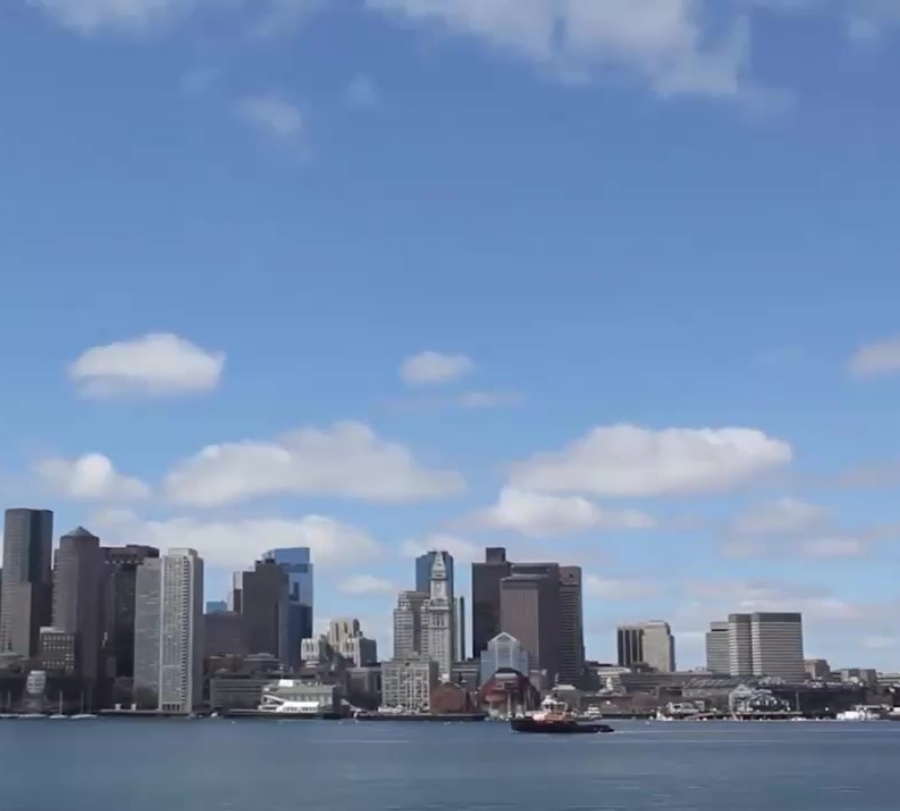

At Devonshire Dental of Boston, we take pride in exceeding our patients’ expectations. Our family-owned and operated dental office is located right here in the heart of downtown Boston – convenient for busy professionals and families passing through our area. But more importantly, our talented dentists and dental team members are committed to helping you feel comfortable, at ease, and well cared for. Looking to replace your missing teeth with dental implants? Need an emergency dentist to quickly treat a severe toothache? We always personalize our approach to fit your unique needs, and we won’t rest until we’ve given you a new reason to smile!
As a multi-specialty dental office, we can provide everything from checkups to dental implants and all services in between.
Explore Our Services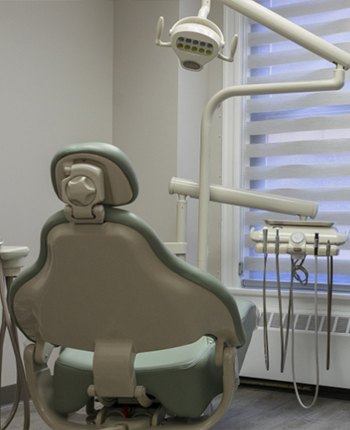
Our top priority is for you to feel comfortable in our dental office, both physically and mentally.
Tour Our Dental Office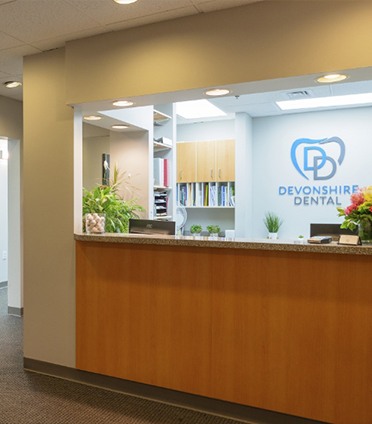
At Devonshire Dental of Boston, we are proud to offer quality dentistry that is close to you and also affordable, which is why we are in-network with Delta Dental Premier, BlueCross BlueShield, and Cigna. Our friendly front desk staff is always ready to help you understand the cost of your dentistry, and we will do all we can to maximize your dental insurance benefits to minimize your out-of-pocket spending. For any questions on your specific coverage, call our dental office near North End.
Explore Financial Options
Located right in the heart of downtown Boston, the friendly, world-class dental care you deserve is never far away.
Get Directions
"Dr. Levy and Dr. Rizkallah and their full team of hygienists and administrators are all wonderful! I have been seeing them for years and have always had an excellent experience. They are warm, caring, and committed to excellent care. Highly Recommended!"
"Very very impressed. The team at Devonshire Dental has helped my girlfriend and me develop good habits and keep our mouths healthy. After not going to the dentist for 3+ years they helped ease me back into it and were very informative. I never write reviews but for this top-notch experience, I had to."
“I have been a patient for several years now. This is a wonderful dental office. They take great care of my teeth, are always on time and the staff are all very friendly.”
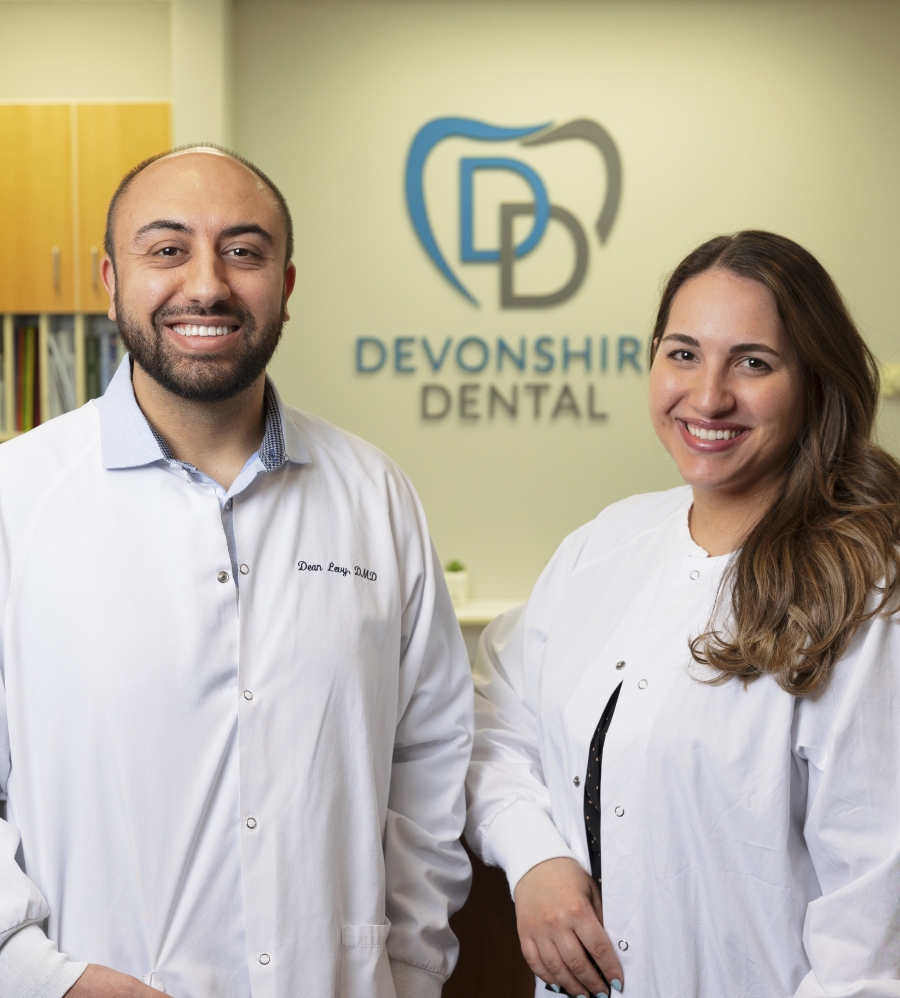
Dr. Levy and Dr. Rizkallah met in dental school, and they have been practicing together ever since. What makes them work so well together as both spouses and dentists is that they prioritize trust and listening in every relationship. With them, you won’t be dictated a treatment plan—they’ll ask you what you want to accomplish and use their expertise to turn your goals into reality using the latest methods and technology.
Meet Our Dentists


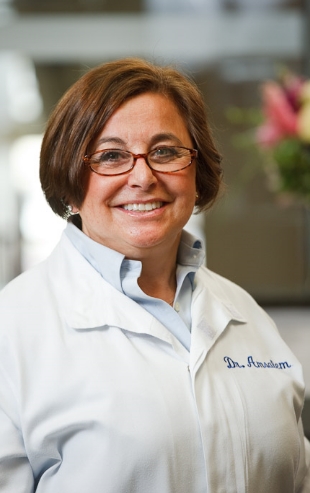 Annie Amsalem, DDS, MS Periodontist
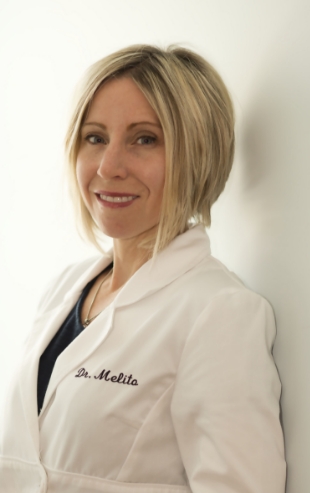 Christine Melito, DMD, MSCD Endodontist
When you have advanced dental care needs, having to run all over town to see separate specialists can be a drain on your finances and your free time – not to mention that you have to become comfortable with a brand-new dental office and team. Thankfully, Devonshire Dental of Boston has simplified this experience by bringing the specialists straight to you! Our dental office near Downtown Crossing features several doctors with different strengths, including an endodontist and periodontist, who can all collaborate to provide you with the best treatment possible – no traveling required. Not to mention, if you need Invisalign to correct a common orthodontic problem, you can receive start-to-finish treatment here in our Boston dental office!
Meet Our Dental Specialists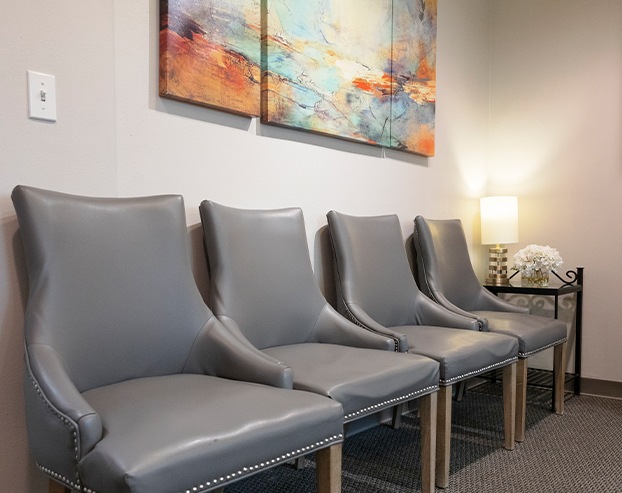
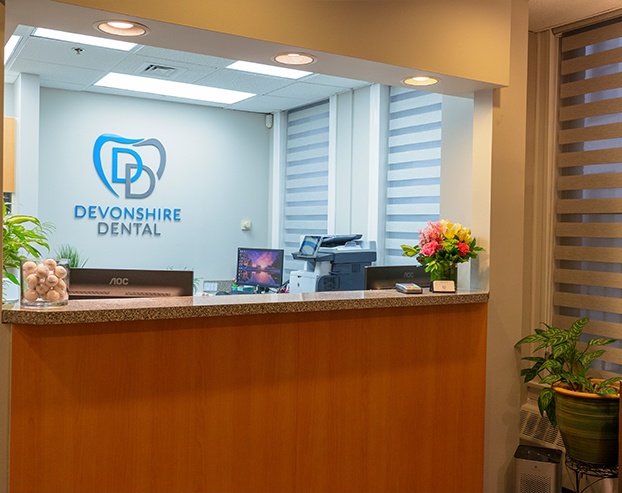
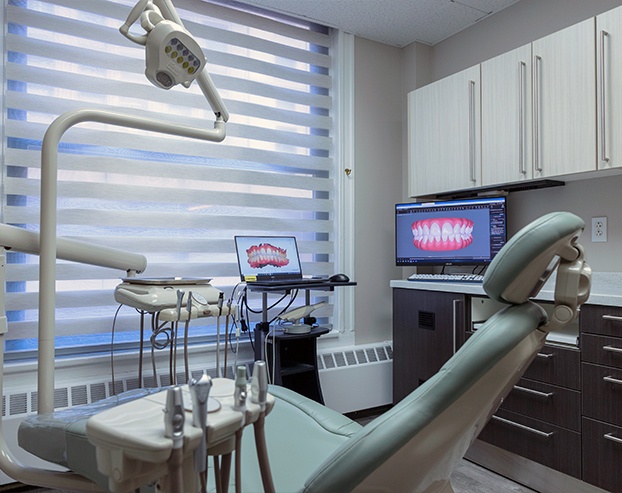
We keep our facility looking spotless and clean because you deserve to feel safe from the moment you step through our doors. Our dental office near Beacon Hill also features advanced technology like digital X-rays, soft tissue lasers, digital impressions, and much more to help us consistently deliver efficient and effective care.
Tour Our Dental Office
You can fill out our patient forms right now, so we can bring you to the back with practically no wait.

If you refer a loved one to our dental office, and they schedule an appointment, you’ll both receive a discount when you come to see us.

You can manage your dental care from anywhere with just a few clicks thanks to our simple and secure patient portal.










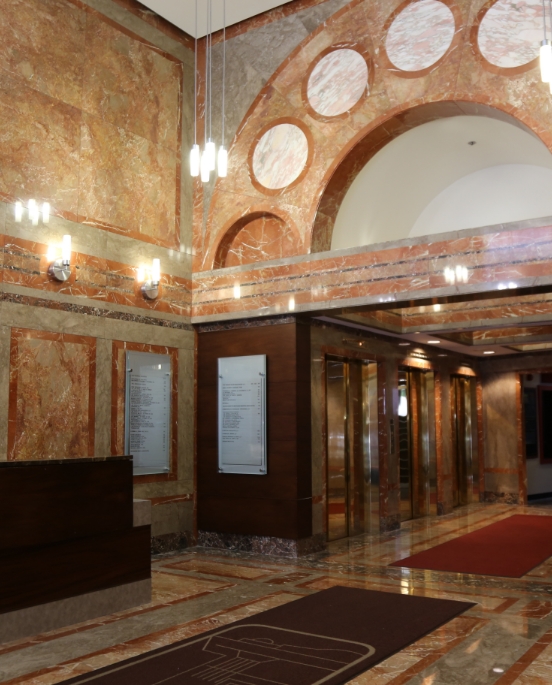
Are you ready to meet our exceptional team? You can find our dental office conveniently located at 185 Devonshire St #410, Boston, MA 02110 on the 4th floor! We are in the heart of Downtown Boston, making us extremely convenient for patients looking for a dentist near North End or a dental office near the financial district. Right across the street from a Potbelly Sandwich Shop and with a YMCA nearby, it’s easy to spot our dental office. However, if you ever have any questions or need simple directions to find our dental office near the Seaport District, don’t hesitate to call!
We care about making sure that our patients have all the information they need to make the best decisions for their smiles! To that end, we’ve taken the time to answer a number of common dental questions. Check out our answers below.
There are several aspects of a dental practice that can help determine whether it’s a good fit for you. For example, many patients want a dentist who is located nearby and will take their dental insurance. You should write down the traits that matter the most to you so that you can give yourself a more concrete picture of what your ideal dental practice looks like.
On top of that, the reason why you’re looking for a dental practice matters. If, for instance, you want to improve the appearance of your teeth, it’s a good idea to specifically search for a cosmetic dentist in Boston who can make the kinds of changes you have in mind.
Upon finding a dental practice that seems to meet your needs, you should take the time to learn more about it. You can often get a good feel for what a practice is truly like by reading any reviews it has received on Google, Facebook, Healthgrades, and Birdeye.
When you simply can’t afford to wait to see a dentist, you can call our office to schedule a same-day appointment. Our team can make arrangements to see you as quickly as possible to help you find relief from severe toothaches and other dental emergencies. A same-day appointment normally focuses on putting a stop to immediate pain while putting together a treatment plan. That said, it’s sometimes possible to have more advanced forms of treatment done during one of these visits depending on the nature of your emergency.
If a tooth extraction is deemed necessary in your case, our team will provide you with an estimate of what you can expect the cost to look like. To create this estimate, we’ll need to consider the specifics of your unique situation, such as the number of teeth involved and the difficulty of the procedure. On top of that, you may need to account for the cost of any related services, such as oral conscious sedation (which is often used to keep patients relaxed during the extraction process).
The cost of a dental checkup and cleaning isn’t exactly the same at every practice. Many dentists charge different fees for their services based on their geographic location. There are other factors that can influence the amount you pay as well, not the least of which are your oral health and your dental insurance benefits. If you call our office, one of our team members will be happy to give you an idea of what you can expect a routine checkup and cleaning to cost.

 Dean Levy, DMD
 Christa Rizkallah, DMD