
Tooth Extractions – Boston, MA
Safe & Comfortable Tooth Removal
The objective of dentistry is to help people keep their natural teeth for as long as possible—ideally a lifetime. But there are times when tooth extraction is necessary. If you have a tooth that must be removed, then you can feel better knowing that the dentists at Devonshire Dental of Boston will perform tooth extractions in our Boston, MA dental office with skill, compassion, and attention to your comfort and safety.

Why Choose Devonshire Dental of Boston for Tooth Extractions?
- Same-Day Emergency Dental Appointments Available
- We Always Keep Patients Comfortable
- Led by Friendly Husband & Wife Dentists
Reasons for Tooth Extraction

Tooth extraction may be needed for one of several reasons. One is a serious cavity. A tooth may be so severely damaged by decay that repair with a filling, inlay, onlay, or dental crown is not possible. In this case, removing the tooth is required in order to prevent the spread of infection and to eliminate any discomfort or pain that a large cavity can cause. Other reasons for tooth extraction include:
- Impacted teeth, such as wisdom teeth
- A damaged tooth that cannot be reimplanted
Difficult to Reach Teeth

A dentist in downtown Boston may also need to extract a tooth in preparation for orthodontic treatment. In this case, extraction helps to create enough space for your other teeth to move into proper alignment. Finally, advanced periodontal disease that has destroyed gum and bone tissue can cause teeth to loosen and require extraction.
How is a Tooth Extracted?
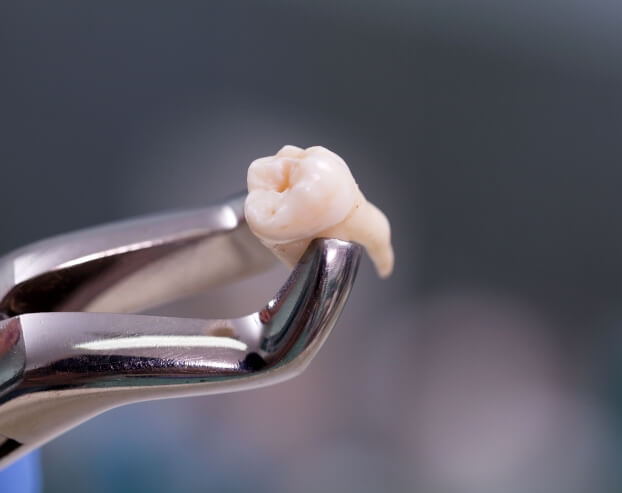
Feeling a bit anxious about having your tooth removed is quite natural. Don’t worry, though. Our team at Devonshire Dental of Boston offers oral conscious sedation so you can relax during your treatment. Once the local anesthetic has taken effect, the dentist will gently remove the tooth.
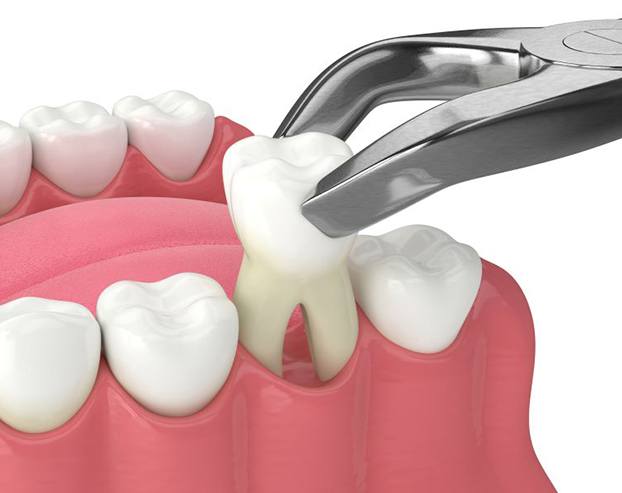
If the tooth has erupted through your gums, then it may be removed using applied pressure to the socket and dental forceps. If the tooth is impacted—which is often the case with wisdom teeth—then the tooth may need to be surgically divided and removed one section at a time from the underlying bone.
What About Recovery from Tooth Extraction?

After having a tooth extracted, you can expect some bleeding and swelling. In most cases, firm pressure with a clean pad of gauze will slow and stop the bleeding. However, in the case of wisdom teeth or another molar, a few stitches may be necessary to help gum tissue heal. A cold compress for twenty minutes at a time will alleviate pain and swelling.
If you keep the extraction site clean and follow our recovery instructions, then your gums should heal in just a matter of a couple of weeks. The dentist can create a bridge, implant, or denture if you need to replace your extracted tooth. This prosthetic will look and function naturally so you can smile and eat with confidence.
Understanding the Cost of Tooth Extractions
The cost of tooth extractions depends on a number of factors. When you visit us for your restorative consultation, we will be able to share some specific numbers with you. We will also make sure you understand your payment options, such as insurance. Most patients find that the price of their extraction procedure is manageable. Plus, it is a worthwhile expense because it can set you up for improved oral health in the future.
Factors That Can Affect Tooth Extraction Cost

Some factors that can have a bearing on the cost of tooth extractions include:
- The type of tooth that needs to be removed. Some teeth are more challenging to remove than others. Therefore, they tend to incur higher fees.
- The number of teeth that must be extracted. Logically, it takes more time, effort, and money to remove multiple teeth than it does to remove just one.
- The overall complexity of your case. We can perform most extraction procedures right here in our Boston dental office. However, if you have any complicating factors in your case, we might need to refer you to a specialist with a pricing structure that is different from our own.
- Additional care. Sedation during your procedure, as well as tooth replacement afterward, can add significantly to the total cost of your care.
Our team will provide you with a detailed cost estimate so there are no unpleasant surprises when you have to pay for your treatment.
Does Dental Insurance Cover Tooth Extractions?

In most cases, yes, dental insurance does cover tooth extractions. Depending on the details of your situation, your procedure might be classified as a minor or major service. Therefore, anywhere from 50% to 80% of your costs might be covered. Our team is in-network with Delta Dental and BlueCross BlueShield, and we are happy to accept out-of-network PPO benefits as well. We will do all we can to help you take full advantage of your insurance.
Are you eager to learn more about tooth extractions and their cost? Our team would be happy to answer your questions! Call us today to find out how we may be able to serve you.
Tooth Extractions FAQs
Does Getting a Tooth Extracted Hurt?
Before proceeding with your tooth extraction, we will do our best to make the procedure completely painless by numbing your mouth with local anesthetic. As a consequence, you should expect to be completely comfortable for the duration of your procedure.
Most patients will be a little bit sore after the procedure is complete. This should fade after a few days—in the meantime, follow our aftercare instructions and take any pain medicine we give you as directed.
What Are My Options for Replacing a Missing Tooth?
There are a variety of tooth replacement options out there, with dental bridges, dental implants, and dentures being the most popular. Which you should get depends on a few factors.
Dentures, for example, are better at replacing a mouth full of missing teeth than bridges or implants. However, the latter tends to be more secure, making them ideal for patients who are looking for a stronger bite. Some tooth replacement options have their unique limitations as well; dental bridges can only replace consecutive teeth, and dental implants require a healthy jaw in order to be placed.
We’ll be able to talk to you about which option is best for you when we meet you at your consultation.
Can I Smoke After Getting a Tooth Extracted?
Tobacco products of all kinds can substantially delay the healing process. Not only will the nicotine make the healing process difficult, but the suction involved in smoking or vaping could also pull the emerging clot out of place, contributing to dry socket.
For that reason, we strongly recommend abstaining from tobacco use for at least two weeks after the treatment, which we can assist you with if you’ve had trouble quitting in the past.
What Can I Do to Speed Up the Healing Time?
We’ll give you detailed aftercare instructions when we meet you in person, but if you want to know a little bit about what the healing process will entail, here are a few guidelines worth following if you want to return back to normal quickly.
- Get plenty of rest
- Refrain from strenuous exercise for at least 24 hours after the procedure
- Keep your head elevated to restrict excess blood flow
- Keep the gauze in place after the procedure to protect the emerging clot
- Avoid anything that could cause excess suction in the mouth, like using a straw or spitting excessively
- Take either prescription or OTC pain medicine as directed
How Soon Can I Eat After My Tooth Extraction?
It’s important that you wait at least an hour to eat following your tooth extraction. There are two main reasons for this: the gauze needs to stay in place to slow down the bleeding, and the numbing agent needs some time to wear off. Even after you get the green light, it’s important to stick to a liquid diet (without using a straw) for the first 24 hours.
How Should I Prepare for My Tooth Extraction?
There are a few steps we recommend taking prior to your tooth extraction in Boston, starting with picking up everything you need for the recovery period, like cold compresses and OTC pain medication. You should also arrange for an adult you know and trust to drive you to and from your appointment if you are being sedated for the procedure. Finally, do your best to get a solid eight hours of sleep the night before and, if directed, fast the morning of your visit.
Will I Need to Take Time Off Work Following My Tooth Extraction?
Dedicating two or three days solely to rest is important, especially if you have a physically demanding job. With that said, taking time off work isn’t always necessary. For instance, if you have an office job and you schedule the procedure on a Friday afternoon, then there’s a good chance that you’ll be cleared to return to work on Monday.
Is There an Alternative to a Tooth Extraction?
Tooth extractions are a last resort. So, if we can restore your decayed tooth with one of the other restorative dental treatments that we offer, like a root canal, you can rest assured that we will. Unfortunately, however, there are some cases when the damage is so severe that it’s beyond saving. This requires us to pull the tooth and replace it with either a dental bridge or a dental implant in order to restore the health and beauty of your smile.
Can I Leave the Space Empty After a Tooth Extraction?
That depends largely on the reason why we’re performing an extraction! For instance, if we are removing a tooth due to considerable decay, then it’s important that we replace it so the appearance of your smile and the strength of your bite aren’t compromised moving forward. If, however, we are performing an extraction to make room in your mouth prior to orthodontic treatment, then it doesn’t make sense to replace it with a custom dental bridge or implant.
I Am Scared of Getting a Tooth Extracted. What Should I Do?
Do you struggle with dental-related anxiety? Maybe you have a fear of needles or a sensitive gag reflex. Whatever the case may be, don’t hesitate to ask us about sedation dentistry! At our office, we offer oral conscious sedation, which can help patients have the positive, comfortable experience that they deserve at our office. If you are interested in learning more about this calming solution, then don’t hesitate to schedule an appointment with us. That way, we can review your medical history, learn about any allergies you have, and determine if you’re a good candidate.